Planning a trip from London to Dublin? You’ve got a few solid options, and each one fits a different type of traveler. Some people just want to get there fast. Others want to save money. And some prefer a relaxed journey where the travel itself feels like part of the experience.
The best way to get from London to Dublin depends on your priority. If you want speed, flying is the fastest option. If you want to save money, buses or early flight deals work best. For comfort and convenience, a private taxi or transfer is the easiest door-to-door choice.
Quick Comparison
| Priority | Best Option | Why |
| Fastest | Flight | Direct route, shortest travel time |
| Cheapest | Bus / budget flight | Lowest cost options |
| Balanced | Train | Comfortable and steady journey |
| Relaxed | Ferry | More space and flexibility |
| Most convenient | Taxi | Door-to-door travel |
London to Dublin Distance Explained
The distance from London to Dublin is not always the same, as it depends on how you travel. In a straight line, the distance is around 460 km, which is the route flights usually follow. However, when traveling by land and sea, the distance increases to around 550–600 km or more because the journey includes road routes and a crossing over the Irish Sea.
This difference in distance is one of the main reasons why travel times vary between options. Flights take a direct path, while other routes follow longer paths that include additional steps such as transfers and waiting times.
Even though the cities are relatively close, the overall journey can feel very different depending on the route you choose. Some options focus on getting you there quickly, while others offer a steadier and more flexible travel experience.
So it’s not just about distance, it’s also about the route and the travel method you choose.
Google Map: https://maps.app.goo.gl/v5ycZDFBmaK2mVrD8
The distance between London and Dublin changes depending on how you travel, which directly affects your total journey time.
| Travel Mode | Approx Distance | Travel Time | Why It Varies |
| Flight | ~460 km | ~1h 15m | Direct air route, shortest path |
| Train + Ferry | ~550–600 km | ~7–9 hours | Includes land travel + sea crossing |
| Ferry Route | ~500+ km | ~3–4 hours (sea only) | Distance across the Irish Sea |
| Bus | ~600+ km | ~12+ hours | Long route with stops + ferry |
| Taxi (Private Transfer) | ~550–600 km | ~7–10 hours | Door-to-door travel + ferry crossing |
Air vs Sea vs Land Travel Differences
The way you travel from London to Dublin makes a big difference in both distance and time. Flights are the quickest because they follow a straight path between the two cities. Ferry travel is slower as it depends on fixed sea routes and port schedules.
Land travel options like train, bus, and taxi take longer because they include both road and rail travel and a ferry crossing.
This adds extra distance and waiting time. Each option offers a different experience, so your choice depends on how fast, comfortable, or budget-friendly you want your journey to be.
| Travel Type | Route Style | Distance Impact | Travel Time | Experience |
| Air Travel | Direct (point to point) | Shortest (~460 km) | Fastest (~1h 15m) | Quick and simple |
| Sea Travel | Port to port (via ferry) | Medium (~500+ km) | Moderate (3–4 hours crossing) | Relaxed and scenic |
| Land + Sea (Train/Bus/Taxi) | Indirect (roads + rail + ferry) | Longest (~550–600+ km) | Long (7–12+ hours) | Flexible but slower |
Why Travel Time Varies So Much
Travel time between London and Dublin can vary quite a bit depending on how your journey is planned. While some routes are direct and simple, others involve multiple steps that increase the total duration.
One of the main reasons for this difference is how each transport option operates. Some routes require connections, waiting periods, or scheduled departures that can add extra time. Even small delays, such as waiting for boarding or transferring between services, can make a noticeable difference in the overall journey.
Because of this, two travelers leaving at the same time may arrive at very different times depending on the option they choose. Understanding these differences can help you pick the route that best fits your schedule.
| Travel Mode | Main Reason for Time Difference | What Adds Extra Time |
| Flight | Direct route between cities | Airport check-in, security, and boarding time |
| Ferry | Fixed sailing schedules | Boarding, waiting time at the port |
| Train + Ferry | Multiple connections | Transfers between train and ferry |
| Bus | Long route with multiple stops | Traffic, stops, and ferry delays |
What This Means for Your Journey
Even though London and Dublin are not very far apart, your total travel time can range from just over an hour to more than 12 hours. If you are in a hurry, distance won’t matter much; flying is the obvious choice.
But if you prefer a slower and more comfortable journey, the longer routes can actually feel more enjoyable.
In short, the distance stays almost the same, but your experience completely changes based on how you choose to travel.
Flights from London to Dublin (Fastest Option)
Flying is the fastest and most convenient way to travel from London to Dublin, especially if you want to reach your destination without spending too much time on the journey.
It’s also the most popular option because there are multiple flights running daily, giving you plenty of flexibility to choose a time that suits you. Whether you are traveling for work, a short weekend trip, or even a same-day return, flying makes the whole process simple and quick.
Another reason many travelers prefer flights is that the route is very straightforward. There are no transfers or complicated connections to worry about.
You simply go to the airport, board your flight, and arrive in Dublin in a short time. This makes it a stress-free option compared to routes that involve trains, ferries, or long road travel.
How Long Is the Flight from London to Dublin?
The London to Dublin flight time is around 1 hour 15 minutes, which makes it the fastest way to travel between the two cities. Since flights take a direct path through the air, they cover the shortest distance and avoid delays that come with road or sea travel.
However, it’s important to look at the full journey time, not just the time in the air. You will need to reach the airport early, go through check-in and security, and wait for boarding.
After landing, there may also be time needed for baggage collection and getting into the city. When you include all of this, the total travel time usually comes to around 3 to 4 hours door-to-door.
Even with these extra steps, flying is still much faster compared to other options like train, bus, or ferry routes, which can take several hours longer.
Major Airports for This Route
London has several major airports that offer regular flights to Dublin, giving travelers a lot of choice depending on location and budget.
| Airport | Description | Best For |
| Heathrow Airport | The largest airport in London has frequent flights and full-service airlines | Business travelers and flexible timings |
| Gatwick Airport | Offers a mix of budget and standard airlines with good availability | Balanced option for cost and convenience |
| Stansted Airport | Commonly used by low-cost airlines with cheaper fares | Budget travelers looking for low prices |
All flights from London land at Dublin Airport, which is located close to the city center. Planning a Heathrow airport transfer before departure can make your journey to the airport smoother. Once in Dublin, you can easily continue by taxi, bus, or other local transport options.
When Flying Makes the Most Sense
Flying is the best choice if your main priority is saving time. It is perfect for business travelers, short trips, or anyone who does not want to spend long hours traveling. If you are planning a quick visit to Dublin, flying allows you to make the most of your time without losing half a day on the journey.
Pros:
- The fastest way to travel between London and Dublin
- Multiple flights available throughout the day
- Direct and simple journey with no transfers
- Ideal for short trips and tight schedules
Limitations:
- Airport procedures like check-in and security can take time
- Waiting time at the airport adds to the total journey time
- Prices can be higher if you book late or during peak times
Overall, flying offers the best balance of speed and convenience. Even though you need to factor in airport time, it is still much quicker than other travel options. If you want a smooth and time-saving journey from London to Dublin, flying is usually the smartest choice.
Taxi from London to Dublin (Private & Flexible Option)
A taxi or private transfer from London to Dublin is one of the most comfortable ways to travel, especially if you want everything handled for you from start to finish.
Unlike flights, trains, or buses, you don’t have to worry about managing different tickets, changing stations, or keeping track of schedules. Everything is arranged in one journey, which makes it a very smooth and stress-free option.
This type of travel is not the most common because of the cost, but it can be very useful in certain situations. If you are traveling with family, in a group, or carrying heavy luggage, a private taxi can make the journey much easier and more comfortable.
It is also a great option for professionals who need reliable and well-planned transport, especially when working with tight schedules. In many cases, services like taxis for business events are preferred, as they offer a higher level of comfort, punctuality, and privacy, making the overall journey smoother and more dependable.
What Is the Route for a Taxi from London to Dublin?
There is no direct road route between London and Dublin because the two cities are separated by the Irish Sea. This means the journey is a mix of road travel and a ferry crossing.
| Step | Route | What Happens | Experience |
| Step 1 | London Holyhead (Road) | You travel by taxi or private car from London to Holyhead in Wales | Comfortable, private, door-to-door travel |
| Step 2 | Holyhead Dublin (Ferry) | Your vehicle boards a ferry to cross the Irish Sea | Relaxed journey with space to move around |
The journey starts with a road trip from London to Holyhead, which is one of the main ferry ports connecting the UK to Ireland. This part of the trip can take several hours depending on traffic, but it is usually smooth and comfortable since you are traveling in a private vehicle.
Once you arrive at Holyhead, your taxi or private car is taken onto the ferry. During the ferry crossing, you can step out of the vehicle, walk around, relax in seating areas, or grab something to eat.
After reaching Dublin, the same vehicle continues the journey and drops you directly at your destination.
How Many Hours Does a Taxi Take from London to Dublin?
The total journey usually takes around 8 to 10 hours, depending on traffic and ferry timing. Taxi fares vary based on distance, ferry costs, and waiting time, so checking an estimate in advance can help with planning.
One important thing to understand is that this journey is not just about driving time. The ferry schedule plays a big role in how long the trip takes. If your arrival at Holyhead matches well with the ferry departure, the journey feels simple and well-timed. If not, you may need to wait before boarding, which can increase the total duration.
Even with these factors, the journey often feels less tiring than other long travel options because you are not switching between different modes of transport on your own.
When Does Taking a Taxi from London to Dublin Make Sense?
A taxi or private transfer is not for everyone, but it works very well in specific situations where comfort and convenience are more important than cost.
- Best for families or groups traveling together, where the cost can be shared
- Ideal if you have heavy luggage or items that are difficult to carry through stations or airports
- Good option if you want a direct, door-to-door journey without managing multiple bookings
- Useful for travelers who prefer privacy and a more relaxed travel experience
It is also a great choice if you are not comfortable with busy airports or crowded public transport.
Pros:
- Private and flexible travel from start to finish
- Door-to-door service with no need to change transport
- More comfortable, especially for long journeys
- You can travel at your own pace without rushing
Limitations:
- More expensive than flights, buses, or train options
- Travel time depends on road traffic and ferry schedules
- Not as fast as flying
Overall, taking a taxi from London to Dublin is all about ease and comfort. While it may cost more, it removes a lot of the stress that comes with changing transport and managing different parts of the journey.
Taxi fares for long-distance trips like this are usually based on distance and travel time, which is why many travelers check the taxi cost per mile in the UK to get a better idea of pricing. If you value convenience and a smooth experience, this option can be worth considering.

Train from London to Dublin
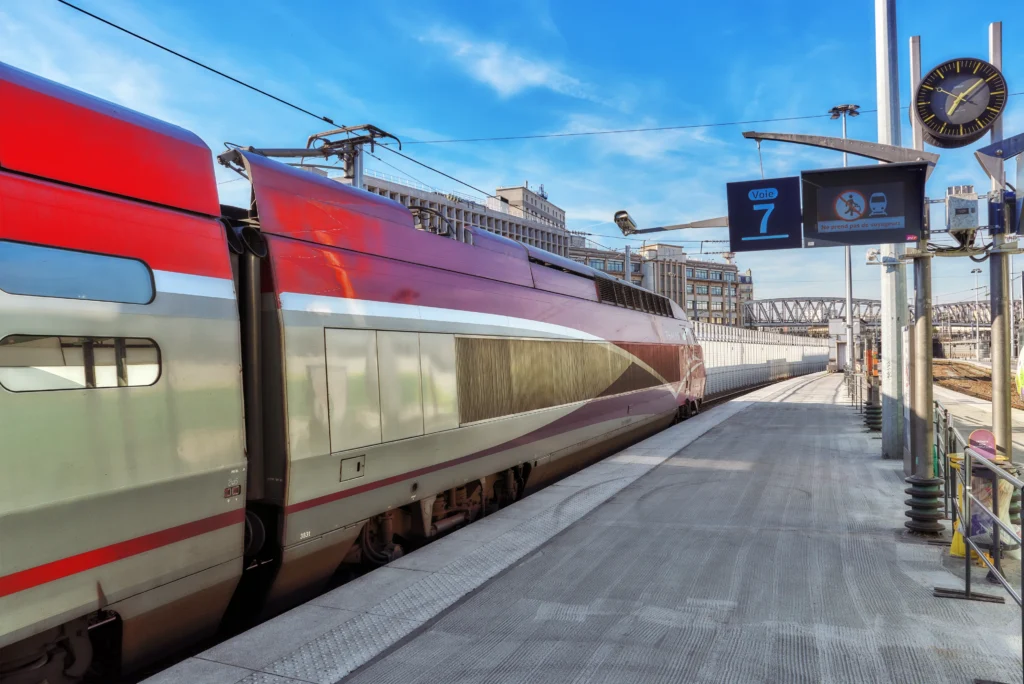
The train route from London to Dublin is a great option if you want a calm and comfortable journey. It may take longer than a flight, but it feels less rushed and more enjoyable.
You don’t have to deal with airport queues or strict boarding times, and the journey is broken into simple steps that are easy to follow.
This route is also popular with travelers who prefer a more scenic experience. You get to travel through parts of the UK by train and then cross the Irish Sea by ferry, which makes the trip feel more like part of the adventure rather than just a way to get from one place to another.
What Is the Train Route from London to Dublin?
There is no direct train from London to Dublin, so the journey includes both train and ferry travel.
| Step | Route | What Happens | Experience |
| Step 1 | London Holyhead (Train) | You take a train from London to Holyhead in Wales | Smooth and comfortable ride with good seating |
| Step 2 | Holyhead Dublin (Ferry) | You transfer to a ferry to cross the Irish Sea | Relaxed journey with space to walk and enjoy views |
You start by taking a train from London to Holyhead, which is a major port in Wales. The train journey is usually comfortable, with enough space to sit, relax, or even work during the trip. Once you reach Holyhead, the ferry terminal is located nearby, making the transfer straightforward.
From there, you board a ferry to Dublin. During the crossing, you can move around freely, grab food, or simply enjoy the sea views. The connection between the train and ferry is generally well managed, so the overall journey feels smooth.
How Long Is the London to Dublin Train ?
The total London to Dublin train journey takes around 7 to 9 hours, depending on connection times and waiting at the port.
- Train travel from London to Holyhead
- Transfer time between train and ferry
- Ferry crossing to Dublin
While it takes longer than flying, the journey is steady and less stressful. You don’t have to arrive hours early like at airports, and the travel experience feels more flexible.
When Does Train Travel from London to Dublin Make Sense?
Train and ferry travel is a good choice for travelers who are not in a hurry and want a more relaxed journey.
- Ideal for those who enjoy scenic travel
- Good option if you want to avoid airports
- Suitable for people who prefer more space and comfort
It’s also a nice option if you want to turn the journey into part of your trip rather than just focusing on reaching the destination quickly.
Pros:
- Spacious seating and a more comfortable travel experience
- Smooth journey without the stress of airport procedures
- Scenic views, especially during the ferry crossing
- Flexible and less rushed compared to flying
Limitations:
- Longer journey compared to flights
- Requires a transfer between the train and the ferry
- Travel time can vary depending on connection timing
Overall, the train and ferry route offers a balanced travel experience. It may not be the fastest option, but it provides comfort, flexibility, and a more enjoyable journey from London to Dublin.
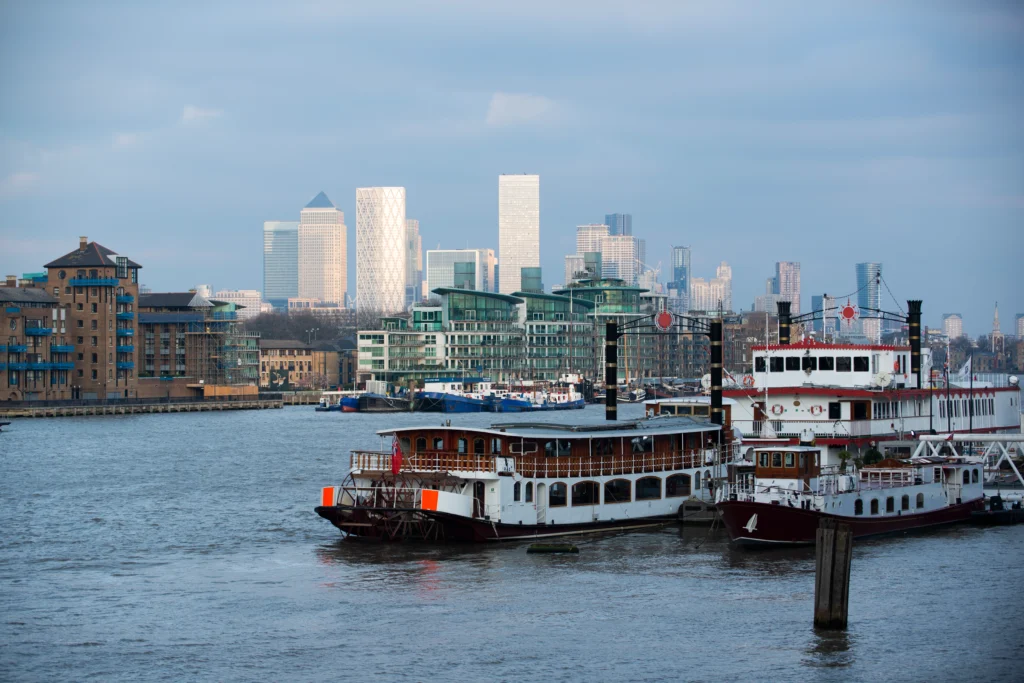
Ferry from London to Dublin, Ireland
Taking the ferry is a good option if you prefer a slower and more open travel experience. Unlike flying, this option gives you the freedom to move around during the journey, enjoy the surroundings, and take a break from sitting in one place.
Many travelers choose this route because it offers a more relaxed pace and a different kind of travel experience. It can also be a practical option if you are planning to continue your journey by road after reaching Dublin.
While it takes longer overall compared to flying, the ferry allows you to enjoy the journey rather than rush through it. This makes it a good choice for travelers who value comfort and flexibility over speed.
How Does the Ferry Journey Work?
The ferry journey is simple but includes one important step before boarding. Since there is no direct ferry from central London, you first need to travel to a ferry port.
| Step | Route | What Happens | Experience |
| Step 1 | London Holyhead | Travel by train, bus, or car to Holyhead port in Wales | Flexible travel depending on your choice |
| Step 2 | Holyhead Dublin (Ferry) | Board a ferry to cross the Irish Sea | Relaxed journey with seating, food, and views |
You begin by traveling from London to Holyhead, which is one of the main ferry ports connecting the UK to Ireland. Once you arrive, you board the ferry to Dublin. The ferry crossing is the main part of this journey and gives you time to relax, walk around, or enjoy onboard facilities.
Total Travel Time and Duration
The ferry crossing from Holyhead to Dublin takes around 3 to 4 hours. This is the time spent at sea.
However, your total travel time will be longer because you also need to reach the port from London. When you include this, the full journey can take several hours more, depending on how you travel to Holyhead and how well your timing matches the ferry schedule.
In What Situations Is Ferry Travel the Best Choice to Dublin?
Ferry travel is a great option in certain situations where flexibility and comfort matter more than speed.
- Ideal for travelers who want to take their car to Ireland
- Good for those who prefer a relaxed and less rushed journey
- Suitable for people planning longer trips or road travel in Ireland
It’s also a good choice if you enjoy sea travel and want a different experience compared to flying.
Pros:
- Comfortable seating and onboard facilities
- Freedom to walk around during the journey
- Option to carry your car or other vehicles
- Scenic views of the sea
Limitations:
- Slower overall journey compared to flights
- Requires extra travel to reach the ferry port
- Dependent on ferry schedules and timings
Overall, the ferry is a comfortable and flexible way to travel from London to Dublin. While it takes more time, it offers a more relaxed experience and is especially useful if you are traveling with a vehicle or planning a longer stay.
Bus from London to Dublin (Cheapest Option)
Traveling by bus is usually the cheapest way to get from London to Dublin. It’s a good option if you are trying to save money and don’t mind spending more time on the journey. While it takes longer than other options, everything is usually included in one ticket, which makes it simple and easy to manage.
This option is often chosen by budget travelers, students, or anyone planning a flexible trip without strict time limits. You don’t have to worry about booking separate transport, as the bus and ferry are arranged together as part of the journey.
How Does the Bus Journey Work?
Bus travel from London to Dublin includes both road travel and a ferry crossing.
| Step | Route | What Happens | Experience |
| Step 1 | London Holyhead (Bus) | You travel by bus from London to the ferry port in Wales | Long journey with stops along the way |
| Step 2 | Holyhead Dublin (Ferry) | You board a ferry as part of the same ticket | Get off the bus, time to relax and move around |
You start by boarding a long-distance bus from London that takes you to Holyhead. Along the way, there may be short stops for breaks.
Once you reach the port, you transfer to a ferry that takes you across the Irish Sea to Dublin. After the crossing, you continue your journey and arrive in the city.
Total Travel Time and Duration
The London to Dublin bus journey usually takes around 12 hours or more, depending on the route, number of stops, and ferry timing.
This includes:
- Road travel from London to Holyhead
- Waiting time at the ferry terminal
- Ferry crossing to Dublin
Because of these multiple steps, the journey is much longer compared to flying or taking the train. Delays due to traffic or waiting times can also add to the total duration.
When Bus Travel Makes the Most Sense
Bus travel is best suited for travelers who want to keep costs as low as possible and are flexible with their time.
- Best for budget travelers
- Suitable for people who are not in a hurry
- Good option if you prefer a simple, all-in-one booking
It’s also a practical choice if you are planning a longer trip and want to save money on travel.
Pros:
- The lowest-cost way to travel between London and Dublin
- One ticket usually covers the full journey
- Simple booking process
Limitations:
- Longest travel time compared to all other options
- Less comfortable for such a long journey
- Includes multiple stops and waiting periods
Overall, taking the bus from London to Dublin is all about saving money. It may not be the fastest or most comfortable option, but it is reliable and budget-friendly for travelers who have time to spare.
What Is the Cheapest Way to Get to Dublin from London?
The cheapest way to travel from London to Dublin is usually by bus, though low-cost flights can sometimes be cheaper if booked early.
Travel costs can vary a lot depending on when you book, how flexible your dates are, and which option you choose. While buses are generally the lowest-cost option, flights can sometimes match or even beat bus prices if you find a good deal.
On the other hand, private taxis are the most expensive but offer the highest level of comfort and convenience.
Cost Comparison
| Travel Option | Cost Level | What to Expect |
| Bus | Low | Cheapest option, longer travel time |
| Flight (Budget Airlines) | Low to Medium | Can be very cheap if booked early |
| Train + Ferry | Medium | Balanced cost with more comfort |
| Ferry (with vehicle) | Medium | Cost depends on the vehicle and timing |
| Taxi (Private Transfer) | High | Most expensive but door-to-door convenience |
Money-Saving Tips
- Book early to get the lowest flight prices
- Travel on weekdays when fares are usually cheaper
- Compare bus and flight prices before booking
- Avoid peak seasons like holidays and weekends
- Use budget airlines, but check for extra charges like baggage
- Be flexible with travel times to find better deals
If saving money is your main goal, start by comparing bus tickets and budget flights. In many cases, a cheap flight booked in advance can give you both savings and speed.
Travel Tips for the London to Dublin Journey
Planning your trip the right way can save you both time and money. Even though traveling from London to Dublin is quite simple, small things like booking early or choosing the right time can make a big difference.
You should also be aware of travel requirements and how each transport option works. Whether you are flying, taking a ferry, or using a bus, a little preparation can make your journey much smoother.
The tips below will help you avoid common issues and travel more comfortably.
| Travel Tip | What You Need to Know | Why It Matters |
| Passport & Travel Requirements | Carry a valid ID or passport when traveling between the UK and Ireland | Required for identity checks during travel |
| Best Time to Travel | Weekdays and off-peak seasons are usually less crowded and cheaper | Helps you avoid high prices and busy routes |
| Booking Tips | Book flights and tickets early for the best deals | Saves money, especially on flights |
| Packing Advice | Pack light and keep essentials easily accessible | Makes travel easier, especially during transfers |
| Timing & Planning | Allow extra time for check-in, boarding, and connections | Helps avoid delays and missed departures |
Choosing the Right Way to Travel from London to Dublin
Traveling from London to Dublin is simple once you understand your options. Each mode of transport offers something different, so the best choice really depends on your time, budget, and travel style. If you want to get there quickly, flights are the clear winner.
If saving money is your priority, buses or early flight deals can work well. For a more relaxed and comfortable experience, train and ferry routes are a great option. And if you want complete ease and privacy, a taxi or private transfer gives you a smooth door-to-door journey.
It’s also important to plan. Booking early, choosing the right time to travel, and understanding how each route works can make your trip much easier. Small decisions like these can save you both time and money while improving your overall experience.
If you are flying, don’t forget to plan your journey to and from the airport as well. A reliable London City Airport transfer can make a big difference, helping you avoid delays and start your trip without stress.
In the end, there is no one-size-fits-all answer. The right option is the one that fits your needs. Whether you are traveling for business, a quick getaway, or a longer trip, choosing the right route will help you enjoy a smooth and hassle-free journey from London to Dublin.
FAQs
You can get to Dublin from London in several ways, depending on your time and budget. The most common option is to take a direct flight, which is the fastest. You can also travel by train to Holyhead and then take a ferry to Dublin. Another option is a bus journey that includes a ferry crossing. For more comfort, some people choose a private taxi or transfer, which also includes a ferry as part of the route.
The flight from London to Dublin takes around 1 hour and 15 minutes. This is the time in the air. When you include airport check-in, security, boarding, and arrival time, the total journey usually takes about 3 to 4 hours from start to finish.
No, there is no direct train from London to Dublin because the cities are separated by the Irish Sea. To travel by train, you need to go from London to Holyhead in Wales and then take a ferry from Holyhead to Dublin. The full journey is smooth and commonly used, even though it includes a transfer.
You cannot take a direct ferry from central London to Dublin. Instead, you need to travel to a ferry port such as Holyhead, which is well connected by train, bus, or car. From there, you can take a ferry to Dublin. The ferry crossing usually takes around 3 to 4 hours and is a comfortable and relaxed part of the journey.
The cheapest way to travel from London to Dublin is usually by bus, as it combines road travel and a ferry crossing in one ticket. However, budget flights can sometimes be just as cheap or even cheaper if you book early and avoid peak travel times.