For nine days every September, London stops being just a city with good museums and turns into one enormous, open studio. A bamboo pavilion appears on the Strand. The V&A fills its galleries with things that did not exist a year ago. Shop windows in Shoreditch become exhibitions, and a Japanese lacquer master’s work sits next to a designer who shaped the inside of a Boeing. That is the London Design Festival 2026 in a nutshell: the whole city handed over to design for a week and a bit.
The festival runs from 12 to 20 September 2026, and this is its 24th edition. It was founded back in 2003 by John Sorrell and Ben Evans, and it has grown into one of the biggest events of its kind anywhere in the world. The Victoria and Albert Museum in South Kensington acts as the main hub, but the real story is how far the festival spreads, across landmark installations, museum shows and eleven separate design districts scattered across the capital.
A designer by trade or just someone who likes looking at beautiful, clever things, this guide covers the London design festival properly: the key dates, the installations worth crossing town for, the districts to wander, what it costs, and how to move between it all without wasting your day on the Tube.
| At A Glance | Details |
| What | Nine-day citywide festival celebrating design. |
| Who For | Design professionals, students, and the public. |
| Dates | 12–20 Sep 2026. |
| Main Hub | V&A plus venues and design districts across London. |
What Exactly Is the London Design Festival?
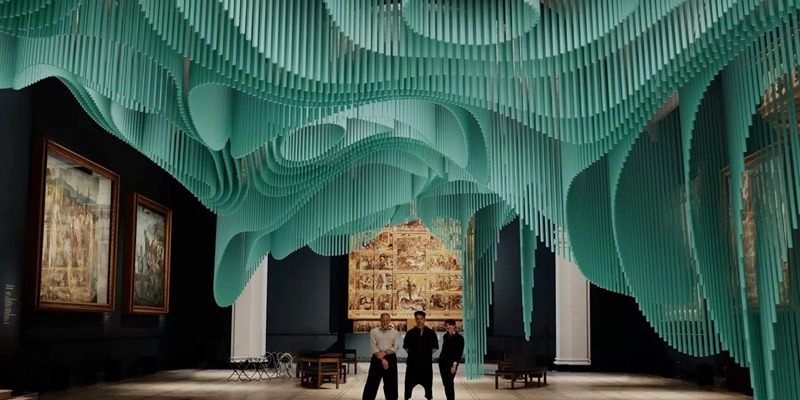
Image Source: bespokecareers.com
Before the highlights, it helps to know what you are actually signing up for, because this is not one exhibition in one building.
| A Citywide Celebration of Design, Not a Single Venue |
The London Design Festival 2026 is closer to a season than a show. Across nine days you get large-scale Landmark Installations in public spaces, Special Projects in major venues, the Global Design Forum of talks and debates, the London Design Medals, trade fairs, and hundreds of smaller events run by the design districts. It all sits under one banner, but there is no single front door and no single ticket.
You pick what interests you, check where and when it is on, and go. The festival’s theme this year is dialogue: East and West, past and future, human and non-human, physical and digital, with sustainability threaded through most of it. The Mayor of London is the Principal Supporter for 2026, and the full programme lives on the official site.
| Fun Fact |
| The very first festival in 2003 had 90 speakers across roughly 60 events. Today more than 2,000 design businesses, brands and universities take part, and over a million people engage with it each year. |
When and Where Does LDF 2026 Take Place?
The dates are simple. The geography is the part worth planning around.
| Nine Days in September, Spread Right Across the City |
The festival runs 12 to 20 September 2026. The V&A in South Kensington is the beating heart, hosting site-specific commissions and much of the Global Design Forum. Beyond that, the action fans out to the Barbican, Somerset House, the Strand, the Design Museum in Kensington and Wapping in the east. Then there are the eleven design districts, each with its own trail of showrooms, galleries and pop-ups.
Here are the anchor dates and places worth pinning down first.
| What | Where | When | Cost |
|---|---|---|---|
| Festival Hub & Commissions | V&A, South Kensington | 12 To 20 Sept | Free |
| London Design Medals Dinner | Central London | 14 Sept | Invitation / Ticketed |
| Shoreditch Design Week | Shoreditch | 15 To 20 Sept | Mostly Free |
| The Pangolin Shield | The Strand | 12 To 20 Sept | Free |
| Global Design Forum | V&A Lecture Theatre | During Festival | Ticketed |
Dates for individual talks and district events firm up closer to September, so check the official listing before setting out. Now the good stuff.
Which Installations Are the Big Highlights in 2026?
Every year the festival hangs itself on a handful of landmark pieces and special projects. Here are the ones to prioritise.
1. The Pangolin Shield on the Strand
This is the headline Landmark Project, and the one to see if you only manage one thing. Designed by Studio Saar and Atelier One, it is a bamboo grid-shell pavilion covered with traditional Indian cane shields and woven farmers’ rain shields, called knups. Reassembled as a gentle canopy, they trade their original context of confrontation for one of rest and conversation. It is named after the pangolin, the world’s most trafficked mammal, and it sits on a pedestrianised street behind the Indian High Commission. Free, and quietly political.
2. Awakenings at the V&A
The V&A’s own programme for the festival is themed Awakenings, exploring how design, craft and technology can shift the way we see things. It maps a route through the museum’s galleries with new commissions from designers including Aziza Kadyri, Eunjo Lee and the V&A Emerging Designer for 2026, Playfool. Since the London design festival uses the V&A as its hub, this is the easiest place to see a lot in one visit, and general museum entry is free.
| Fun Fact |
| The V&A has hosted the festival hub for years, and its famous glass Blue Rita installation, chandeliers and staircase commissions from past editions have become some of the most photographed design moments in London. |
3. Craft x Tech
Now in its second edition, Craft x Tech pairs international designers with master craftspeople from Japan’s Tokai region, working in lacquer, metal, ceramics, washi paper and textiles. The headline piece, Fushi, is a ceramic console and lighting design by kiln head Yohei Ito and Australian industrial designer David Caon, who is best known for designing the interior of the Boeing 787-9. It is a neat picture of the festival’s East-meets-West theme in a single object.
4. MADE x Barbican
Furniture brand MADE has teamed up with the Barbican on a 23-piece interiors collection drawn from the estate’s archives and the work of designer Miriam Howitt. Expect furniture, lighting, textiles and accessories that turn the Barbican’s brutalist bones into things you could actually live with, plus an immersive installation at the Barbican itself during the festival.
5. Reviving Craft at Somerset House
Over at Somerset House, Sun Media Group presents Reviving Craft: Reflection of the Mind, bringing together more than 60 artisans and designers from China and beyond. Split into three sections, Clear, Nourish and Refine the Mind, it looks at the relationship between people and the self through Chinese craft. It is the third outing of the show after Paris and Milan, and its first in London.
What Are the Design Districts All About?
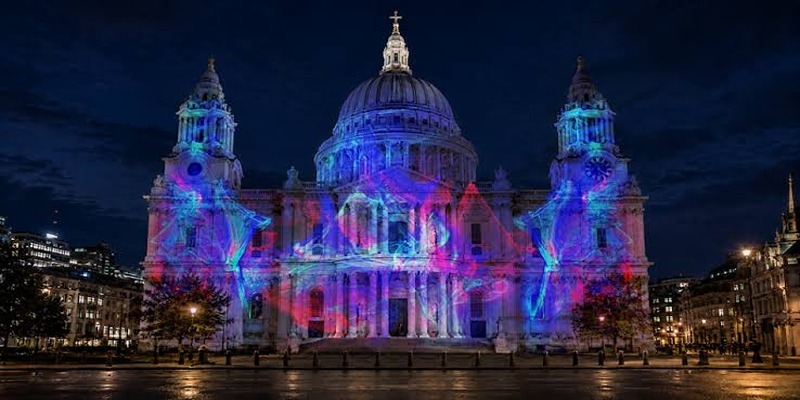
Image Source: hypebeast.com
If the landmark installations are the headliners, the design districts are where you spend the rest of your day. This is the festival at street level.
| Eleven Neighbourhoods, Each With Its Own Trail |
The festival splits into design districts London-wide, eleven of them in 2026, each a cluster of showrooms, galleries, studios and pop-ups you can walk between. Soho joins as the newest district this year, and Shoreditch Design Week is the largest, running 15 to 20 September with more than 60 spaces hosting hundreds of events. The beauty of the districts is that most are free to wander: you follow a trail, drop into open studios and stumble on things you would never have booked.
| District | Known For |
| Brompton | Design-led showrooms near the V&A |
| Shoreditch Design Week | The biggest district; 60+ spaces, talks and parties |
| Mayfair | High-end galleries and luxury interiors |
| Bankside | Riverside studios and installations |
| Chelsea | Interiors, textiles and antiques |
| Soho (new for 2026) | The newest district, in the heart of the city |
Is There More Than Just Exhibitions to See?
Plenty. The festival is as much about talking and thinking as it is about looking.
| Talks, Awards and the Global Design Forum |
The Global Design Forum is the festival’s talks programme, held mainly at the V&A, where designers, architects and technologists dig into where design is heading. This year’s theme leans into the interconnection of people, practice and planet. There are also the four London Design Medals, handed out on 14 September, recognising everyone from lifetime achievers to emerging talent. And at the Design Museum, look out for NIGO: From Japan with Love, the first-ever retrospective on KENZO’s artistic director. There are a lot of London design festival events beyond the installations, so it pays to skim the programme in advance.
How Much Does the London Design Festival Cost?
This is a pleasant surprise. A festival this big being mostly free is not something London offers often.
| Mostly Free, With Some Ticketed Extras |
The vast majority of the London design festival 2026 is free and needs no booking. That includes the landmark installations in public spaces, the district trails and most of the museum-based shows, since general entry to the V&A, the Barbican and similar is free. Where you do pay, it tends to be the professional trade fairs, some workshops, and passes for the Global Design Forum talks. So you can build a full, rich day for the price of your travel and lunch.
| What | Rough Cost |
| Landmark installations & district trails | Free |
| Museum shows (V&A, Barbican, etc.) | Free general entry |
| Global Design Forum passes | Ticketed |
| Trade fairs & some workshops | Ticketed / varies |
How Do You Get Around a Festival That Spreads Out?
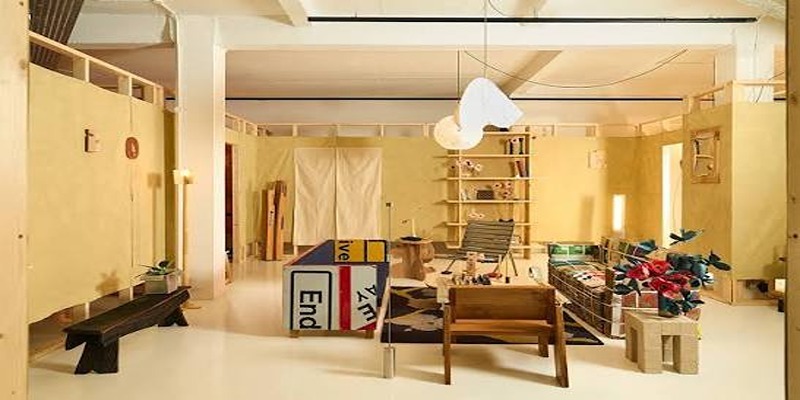
Image Source: luxurylondon.co.uk
This is the bit people underestimate. South Kensington to Shoreditch to Wapping is a serious amount of ground, and the good stuff is deliberately scattered.
| Plan Your District-Hopping in Advance |
Trying to see the V&A hub, an installation on the Strand and a Shoreditch showroom trail in one day means a lot of crosstown travel. Public transport works, but with a group, or when you are trying to fit three districts into an afternoon, a pre-booked private ride takes the guesswork out. My London Transfer covers every corner of the city, and its London tours service can turn a scattered itinerary into a smooth, driven day.
Heading for a specific hub? AChelsea taxi puts you near the Brompton and Chelsea districts and the V&A, while an event transfer suits a group doing the Shoreditch trail together. Coming in by rail? A Liverpool Street station transfer drops you right on the doorstep of the East London districts.
What If You Are Travelling in for the Festival?
September is one of London’s busiest cultural months, so plenty of visitors build a trip around it. Landing well sets the tone.
| Sort the Airport Run Before You Land |
A pre-booked transfer means no taxi queue, no surge pricing and no dragging luggage across the Tube after a long flight. Your driver tracks the flight and meets you at arrivals with a name board. Whether you fly into Heathrow or arrive through Gatwick, a fixed-price, door-to-door ride is the calmest possible start to a design weekend.
The festival also overlaps with other big September moments, so it is worth planning the wider trip. If classical music is on your list, our guide to the BBC Proms 2026 is a good companion read, and for a sense of what a ride into town runs to, the breakdown of airport transfer prices lays out what actually shapes the fare.
What Are the Best Tips for Doing LDF 2026 Right?
A few small calls make the difference between a great design day and an exhausting, scattered one. Here is what regulars do.
| Five Things Worth Knowing Before You Go |
First, pick a zone per day. Do South Kensington one day and East London another rather than criss-crossing the city. Second, download the official guide and map, since the programme is huge and the good pieces are easy to miss. Third, book the ticketed things early; Global Design Forum talks and popular workshops fill up. Fourth, wear comfortable shoes, because the districts are walking trails, not single rooms. Fifth, sort your transport ahead of time, so a pre-booked ride between districts saves you the crosstown scramble.
Final Word on London Design Festival 2026
The London design festival 2026 is one of those rare weeks where the whole city becomes the exhibition. You can stand under a bamboo pavilion built from Indian shields, wander the V&A’s new commissions, follow a Shoreditch showroom trail, or sit in on a talk about where design goes next. Most of it is free, all of it is interesting, and it runs for nine days. Pick a few things, check the dates, and give design a bit of your September. It rewards the effort.
Planning to Hop Between Design Districts Across London?
My London Transfer offers private, door-to-door rides, group event transfers to installations, museums and district trails, so your festival week runs smoothly.
Frequently Asked Questions (FAQs)
1. When is the London Design Festival 2026?
It runs for nine days, from 12 to 20 September 2026. It is the 24th edition of the festival.
2. Where does the festival take place?
Across London. The V&A in South Kensington is the main hub, with other major venues at the Barbican, Somerset House, the Strand, the Design Museum and Wapping, plus eleven design districts citywide.
3. Is the London Design Festival free?
Mostly, yes. The landmark installations, district trails and most museum shows are free and need no booking. Some trade fairs, workshops and Global Design Forum talks are ticketed.
4. What is the main installation this year?
The Pangolin Shield by Studio Saar and Atelier One, a bamboo pavilion on the Strand made from traditional Indian shields. It is free to visit and is the festival’s headline Landmark Project.
5. What are the design districts?
They are eleven neighbourhood clusters of showrooms, galleries and studios you can walk between, each with its own trail of events. They include Brompton, Mayfair, Chelsea, Bankside and Shoreditch, with Soho joining as the newest for 2026.
6. What is on at the V&A during the festival?
The V&A hosts the festival hub with a themed programme, Awakenings for 2026, featuring new commissions mapped across its galleries, plus much of the Global Design Forum talks programme. General museum entry is free.
7. What is Shoreditch Design Week?
It is the festival’s largest design district, running 15 to 20 September with more than 60 showrooms, galleries and creative spaces hosting hundreds of events, from product launches to talks and parties.
8. Do I need tickets in advance?
For most free installations and district trails you can just turn up. Ticketed events like the Global Design Forum and some workshops should be booked ahead, as popular sessions fill up quickly.
9. Is the festival suitable for families and non-designers?
Yes. Alongside the trade side, there are public installations, museum displays and open studios that anyone can enjoy, many of them free and hands-on.
10. How do I get around the different venues?
Venues are spread across London, so plan by zone. Public transport works, but a pre-booked private transfer is the easiest way to reach several districts in a day, especially in a group.
11. What else is on in London in September 2026?
September is a packed cultural month. Alongside the design festival you have the tail end of the BBC Proms, London Fashion Week, Totally Thames and Open House. It is a strong month to build a longer trip around.
12. How big is the London Design Festival?
Very. More than 2,000 design businesses, brands and universities take part each year, and over a million people engage with it, making it one of the largest design festivals in the world.