
Every February, London’s gloomiest month is transformed inside the glasshouses of Kew Gardens, where thousands of orchids burst into bloom for the annual Orchid Festival. Every year, the gardens’ glasshouses are illuminated with orchids numbering in the thousands, ranging from soft pastels to electric hues.
It’s more than a feast for the eyes; it’s an opportunity to discover more about exotic plants, conservation, and the incredible diversity of orchids from around the world. Whether you are a photography buff, a family looking for a fun-filled day out, or an individual seeking a warmer respite from the chill, there’s something for everyone at the Orchid Festival.
This guide has everything you need to know, from how to get there to what types of flowers you will see, the best time to visit, highlights of the festival, and ticket details. You will discover helpful tips on how to plan your visit so that you can catch the orchids at their best and make the most of your day at Kew.
The Orchid Festival is an experience that is both motivational and educational. After this guide, you will be ready to take on a day filled with beauty, learning, and the pure delight of nature.
History and Overview of the Kew Gardens Orchid Festival
The Royal Botanic Gardens, Kew, is a UNESCO World Heritage Site and one of the world’s most significant botanical institutions. Established in 1759, Kew occupies over300 acres on the banks of the River Thames, the same as Hampton Court Palace in southwest London, and is home to the world’s largest and most comprehensive living plant collection.
Location: Richmond
Street View:
What is the Royal Botanic Garden?
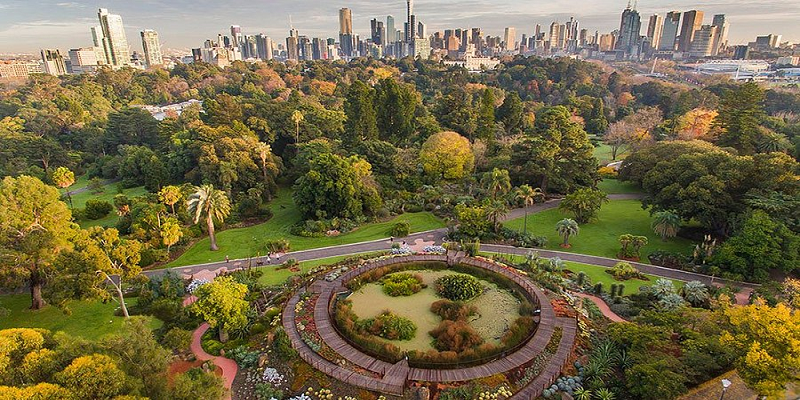
It’s more than a stunning place to take a stroll; it’s a world-renowned center for plant science. Researchers at Kew investigate biodiversity, discover new plant species, and strive to protect endangered ecosystems around the globe.
This level of research lends the Orchid Festival a level of authenticity. You’re not simply looking at flowers, you’re witnessing conservation in action.
The research at Kew extends well beyond the upkeep of a pleasant garden. Research at Kew contributes to:
- Climate change resilience and sustainable agriculture
- Conservation of endangered plant species
- Seed banking and habitat restoration
- Global biodiversity mapping
The Millennium Seed Bank collaboration, for instance, is dedicated to protecting plant resources for future generations. Therefore, when you visit the London Orchid Festival, you are contributing to an organization that plays a vital role in protecting the environment worldwide.
Why is The Princess of Wales Conservatory a Perfect Festival Venue?
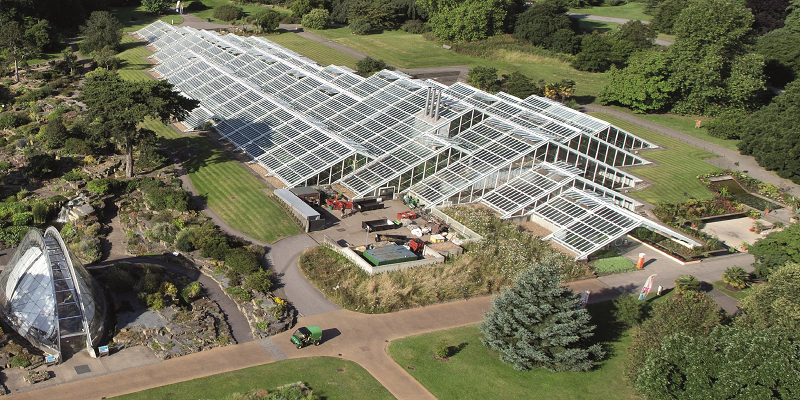
The Orchid Festival is held within the beautiful Princess of Wales Conservatory, a glasshouse that simulates ten different climates, ranging from arid deserts to tropical rainforests.
In the winter, when the Orchid Festival is held, the Princess of Wales Conservatory is transformed into a tropical paradise. The warm air, misty glass, and lush greenery transport visitors to Southeast Asia or Central America on the chilliest February morning.
What is the Kew Orchid Festival?
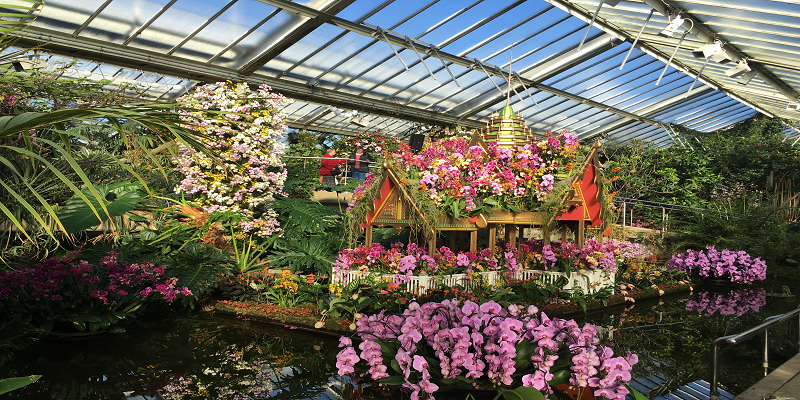
The Kew Gardens Orchid Festival is an annual event that celebrates orchids in the context of a different country every year. Previous events have included the biodiversity and culture of countries like Costa Rica, Thailand, Indonesia, Madagascar, and Cameroon.
Every event combines horticulture and heritage. The native flora and fauna, as well as the conservation efforts, of the chosen country are highlighted.
Located: Royal Botanic Gardens, KewRichmond, London TW9 3AE
Theme and Cultural Focus Every Year
Every year, there is a new story to tell. Maybe it will be the tropical rainforests and waterfalls of a country. Maybe it will be the island life or the rare mountain habitats of a different nation.
The storytelling aspect is what makes this event different from other flower shows. You will learn how orchids live in the wild, how they are pollinated, and what kind of threats they face.
What makes the festival unique?
In three words its easy to say: art, science, atmosphere.
Under one glass roof, you’ll find:
- Botanical expertise
- Cultural celebration
- Environmental awareness
- Immersive design
It’s educational without feeling heavy, and beautiful without feeling superficial.
What’s Included in the Exhibition?
Visitors can expect:
- Thousands of orchids are in peak bloom
- Large-scale floral sculptures
- Country-inspired installations
- Rare and endangered species
Festival Highlights at the Orchid Festival at Kew Gardens
There are also beautiful spots for photography, hanging flowers, and huge flower sculptures. One can walk through the glasshouse and view rare and exotic orchids. There is also music, small activities, and a laid-back ambiance that makes it enjoyable for all.
Large-Scale Orchid Sculptures
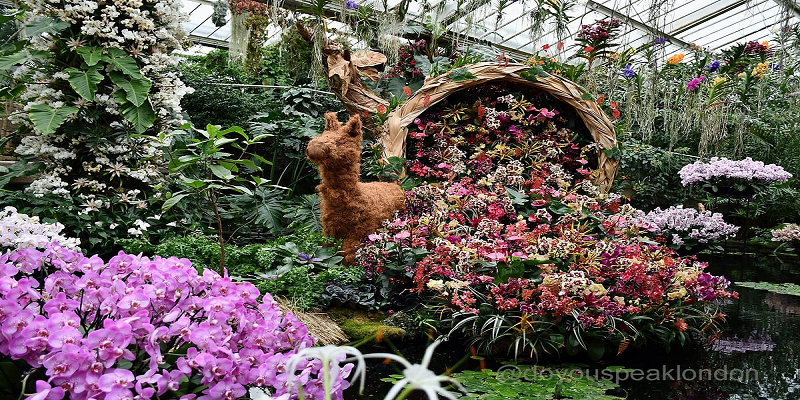
The show-stopping centrepiece installations are a highlight in themselves. Imagine giant animals made out of flowers, flower waterfalls, or complex sculptures based on the year’s chosen country.
- The installations require thousands of orchids, carefully laid out by the team at Kew Gardens.
- Photography rating: 5/5
An early start is recommended for the best photos can get quite crowded on weekends.
Immersive Cultural Displays
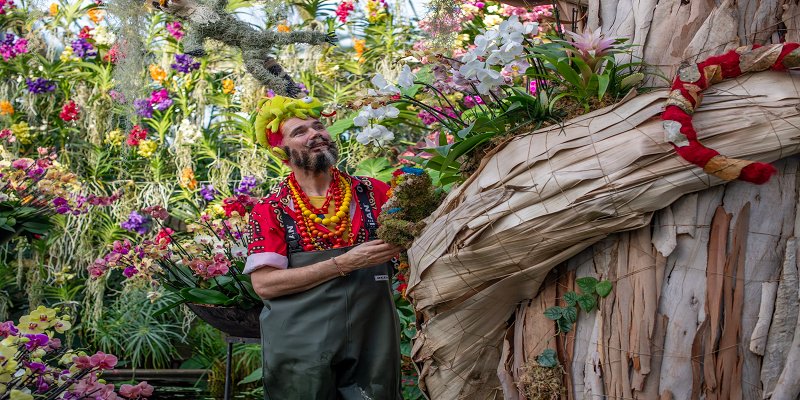
Each display is dedicated to the biodiversity and culture of the selected country. Look forward to colorful displays, cultural patterns, and narrative boards that highlight the importance of orchids to the environment.
Feels like traveling the world without ever leaving London.
Rare and Exotic Orchid Species
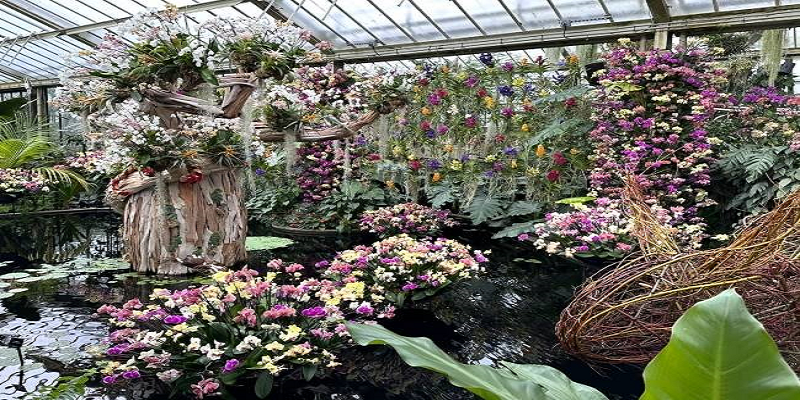
Orchids are the largest family of plants, comprising more than 25,000 species. At Kew, you can expect to see species that are hard to find in other botanical gardens.
Some species are so rare that they are no bigger than a coin. Others are showy, with ruffled petals and colorful designs. Some orchids even have the ability to camouflage themselves as insects to lure pollinators, a testament to the ingenuity of nature.
Interactive Talks and Family Activities
The event further features:
- Conservation awareness talks
- Lectures by Kew horticulturists
- Family-friendly activity trails
- Cultural performances on selected weekends
It is both entertaining and educational for adults and kids, with a good mix of both.
Types of Orchids on Display
1. Phalaenopsis (Moth Orchids)
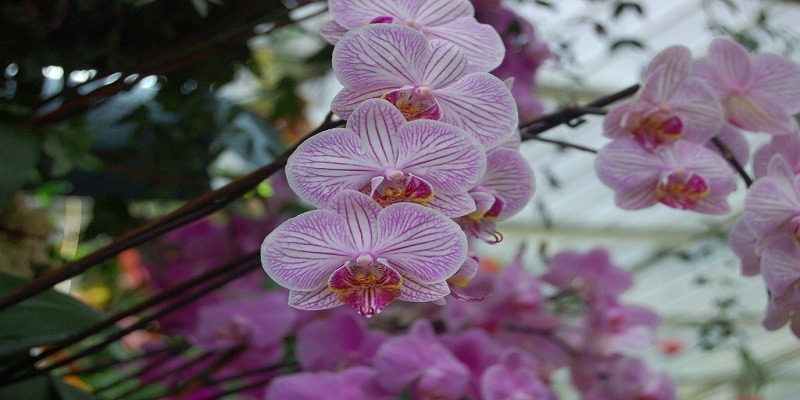
Phalaenopsis orchids are easily identifiable by their equal petals and long-lasting flowers, which come in pink, white, and purple varieties. They are often used to anchor the bigger installations.
These orchids are found in Southeast Asia and can be seen growing on trees in tropical forests. They are one of the easiest varieties of orchids to grow, making them a popular choice for home gardeners. Their flowers can last for months if given the right conditions.
At the festival, they are often used to create flowing arches and cascading displays.
2. Dendrobium Orchids
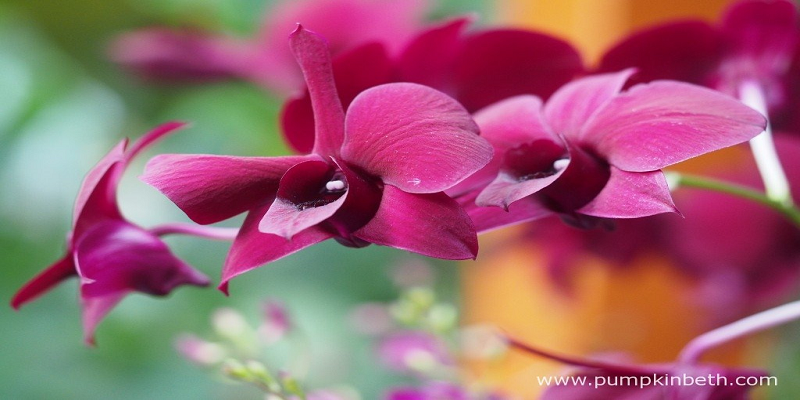
Dendrobium orchids are found in Asia and Australia and are known for their striking clusters, bold color contrasts, and striations.
There are over 1,000 species of this type of orchid, which show a great range of variation in terms of shape and size.
Some species are suited to cooler climates, while others can tolerate the high temperatures of the tropics. Their tall stalks make them perfect for vertical displays. They add height and interest to the conservatory displays.
3. Vanda Orchids
Vandas are known for their electric blues, vibrant oranges, and rich purples. They are usually grown with their roots exposed, making them a striking tropical feature.
They are mainly distributed in South and Southeast Asia. They require bright light to produce plenty of flowers.
Their large, flat flowers are often marked with striking patterns and spots. They can be hung in the open air so that people can admire their robust root systems.
4. Cattleya
Cattleyas are large, fragrant, and showy orchids that are prized for their hairy lips and vibrant colors. They are often the focal point of any floral display in the conservatory.
They are found in Central and South America. Cattleyas are often used in floral arrangements for corsages because of their size and fragrance.
Their flowers typically bloom once a year but remain in bloom for several weeks. Their bright colors and pungent fragrance make them a striking addition to any floral display.
5. Hybrid and Endangered Orchid Species
The scientific knowledge of the staff at Kew ensures that endangered and rare orchids are included. Many of these species are part of conservation programs that aim to protect delicate ecosystems around the world.
Hybrids are bred to produce desirable characteristics such as strong colors, patterns, and hardiness. Some endangered orchid species are conserved because of habitat destruction and climate change.
Scientists examine these species to learn how to cultivate and conserve them. Showing them at the festival helps to raise awareness about plant conservation.
Cultural and Educational Experiences
The Orchid Festival at Kew Gardens is more than a showcase of flowers. It is an interwoven experience of culture and education. Every year, the focus is on the culture, art, and landscapes of a different country.
Visitors learn how orchids weave their way into the lifestyle of that nation, its food, traditions, and lifestyle.
Informational boards are placed alongside the exhibits, providing easy-to-read information about orchids and their uses. The festival is a combination of beauty and knowledge, much like nature itself.
Conservation Awareness and Environmental Impact
Orchids are extremely fragile and affected by the rapidly changing world around them. At the exhibition, visitors gain better insight into:
- – Deforestation
- – Plant smuggling
- – Climate change
- – The conservation efforts of Kew scientists at the Royal Botanic Gardens
The exhibition showcases how deforestation affects endangered species around the world. Visitors are also aware of how research and seed banks protect endangered species.
Practical examples demonstrate how people can make a difference in global conservation efforts. The message is simple: “Conservation of nature means conservation of our future.”
Family-Friendly Activities at Kew Gardens
If you’re travelling with kids to the festival its a very good idea. Children are encouraged to explore the nearby exhibits along the trails in the conservatory, discovering the process of pollination and habitats entertainingly and educationally.
Activity sheets encourage kids to observe colors, shapes, and creatures, making observation a fun challenge.
The information is presented simply to make the knowledge of plants easy. The glasshouse is always warm, even during winter. Visiting with family is a happy and enjoyable learning experience.
When to Visit the Kew Gardens Orchid Festival?
The event takes place from late January to early March, with the best time being late February. This is when over 5,000 orchids are at their best, and the colors really stand out.
It is always a good idea to check the official Royal Botanic Gardens, Kew Gardens website for the latest dates.
Festival Dates at a Glance
The event usually takes place from late January to early March, featuring over 5,000 orchids. However, the weather may cause the dates to vary. For the latest information, visit the Kew Gardens website.
Best Time for Full Bloom
Late February is the best time to visit the Kew Gardens Orchid Festival. During this time, the orchids are at their brightest, providing a beautiful background for flower photography.
Weekdays vs. weekends
The Kew Gardens Orchid Festival is less crowded on weekdays than on weekends, especially on Saturdays and Sundays.
This is because, on weekends, it is more difficult to take that perfect picture or walk around without being noticed. If you are visiting on the weekend, it is best to arrive early.
Ticket Information and Entry Prices
The Orchid Festival at Kew Gardens is included in the general entry fee for the Royal Botanic Gardens, Kew, so you will not have to pay extra to see the exhibits.
The cost of tickets changes based on your status, with kids, seniors, and members incurring lower charges. Membership benefits include free admission and early entry to events.
As the festival is very popular and many people attend, especially on weekends, consider purchasing tickets online in advance. It is also a good idea to arrive early, around 10 AM, when the gardens are less crowded.
Is the Orchid Festival Included in Kew Admission?
Yes. The Orchid Festival is included directly within the general Kew Gardens ticket priceno additional cost for festival admission.
However, it is always a good idea to check the website for any special events or exceptions. In summary, the ticket gains you access to all the amazing plants, orchids, and festival displays throughout the Gardens.
Ticket Prices and Membership Options
Ticket prices for Kew Gardens change periodically, with discounts available for children, seniors, and members.
If you find yourself returning to Kew Gardens more than once a year, membership might be a good option. Members receive a whole host of benefits:
- free admission to Kew Gardens
- Early access to special events, discounts on purchases, and guided tours.
- A great option to help you get the most out of your visits throughout the year.
Opening Hours and Advance Ticket Purchase
Kew Gardens is open daily, although the Orchid Festival does attract more visitors, particularly at weekends.
To avoid the queues, purchasing tickets in advance is a good idea. The gardens open at 10 AM, so it is a good idea to get there early, particularly at weekends and during school holidays.
How to Get to the Kew Gardens Orchid Festival
There are many ways to get to the Kew Gardens Orchid Festival. This guide will help you to choose a better option for a smoother trip. Many options such as London Underground stations, Trains, and buses.
By London Underground
The station is simple to get to using the District Line. Take the train to Kew Gardens Station and then a short walk to the entrance of the garden. It’s very easy and convenient, especially if you are coming from central London.
Even if you are not familiar with the route, a glance at the Underground map or list of underground stations will direct you straight to the Kew Gardens stop from anywhere.
By Train from London Waterloo
You can take a direct train from London Waterloo to Kew Gardens.
The train journey is comfortable and convenient, and takes only 30 minutes.
Trains run regularly, making this a good option if you want to avoid the Underground rush.
By Bus Routes to Kew Gardens
You can take buses such as the :
- 65,
- 391
- 237
This is a good option if you do not want to use the Underground or the train.
Driving and parking
If you are driving, there is parking available, although this is quickly taken up, especially during busy times such as the Orchid Festival.
Get there early to park. There are other parking sites nearby, although you may have to walk a bit to get to the gardens.
If you do not want to drive to Kew Gardens, a taxi or airport transfer is an easy alternative. From Heathrow Airport, a taxi ride to Kew Gardens takes only 20 minutes, making it a good option.
If you are arriving at Heathrow Airport. Many private transport services, such as My London Transfer, can provide a direct and smooth journey to Kew Gardens.
Top 4 Local Sightseeing Options in Kew Gardens
Kew Gardens is full of attractions beyond the Orchid Festival, offering something for every visitor. Finally, Kew Palace offers a peek into royal history amid beautiful landscaped grounds, combining culture, history, and nature in one visit.
1. Palm House
The Palm House is a famous feature of Kew Gardens. It houses a variety of tropical plants, ranging from palm trees to colorful flowers.
The warm and humid conditions are ideal for a greenhouse environment, making it a fascinating place to explore, especially during the Orchid Festival when tropical flowers are in full bloom.
2. The Hive Installation
The Hive is an immersive art installation hidden away in Kew Gardens. It recreates the life of a hive through sound and light, capturing the buzz and activity of bees.
It is as breathtaking as it is informative, highlighting the importance of bees in our ecosystem.
3. Treetop Walkway
Take a walk among the treetops and enjoy the forest from a different perspective. The walkway provides panoramic views of Kew Gardens, especially when the festival is in full bloom, and the gardens are filled with vibrant colors.
It’s a great spot for taking pictures and experiencing the Gardens in a new way.
4. Kew Palace
Hidden within Kew Gardens, Kew Palace was the royal residence of King George III. It’s a fascinating glimpse into the history of the British monarchy, with a picturesque setting of carefully landscaped grounds.
It is almost 10–15 minutes away from Kensington Palace, London. A great place to visit after the Orchid Festival, combining history and peaceful surroundings.
FAQs
The Orchid Festival at Kew Gardens normally takes place from late January to early March every year, although this may vary slightly from year to year. To find out more about the latest events, visit the official Kew Gardens website.
There is no additional cost to visit the Orchid Festival at Kew Gardens. However, it is always a good idea to check if there are any special events or additional costs on the day you plan to visit.
The nearest train station is Kew Gardens Station, which is served by the District Line of the London Underground and by South Western Railway trains from London Waterloo.
A taxi journey from Central London to the Royal Botanic Gardens, Kew will normally take anything from 20 to 30 minutes, depending on the traffic and the point at which you are picked up. The cost will be approximately £20-£30. To make the journey even easier, you can pre-book a private transfer with My London Transfer.
Conclusion
The Orchid Festival at Kew Gardens is a ray of sunshine in the midst of a London winter, a warm and welcoming haven from the cold days outside. Inside the glasshouses of the Royal Botanic Gardens, Kew, you can find your way to tropical colors and an opportunity to learn about biodiversity.
And if photography is your passion, there are plenty of corners to find and capture amazing flowers and small details. It is a great way to spend the day out with the family, gardening enthusiasts, or just a quiet experience with nature.
To make your journey a smooth one, you can plan your visit with My London Transfer to get a comfortable and stress-free transfer to Kew. Whether you are looking for a peaceful winter getaway or inspiration for ideas, this is one festival you should not miss.